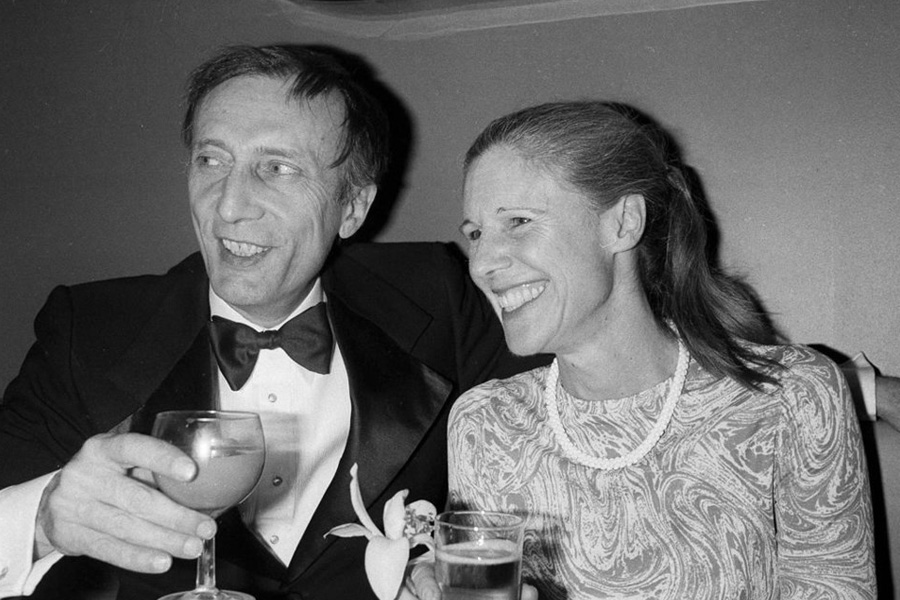
Basic Information
| Field | Details |
|---|---|
| Full Name | Thomas A Carlin |
| Known For | American stage, film, and television actor |
| Born | December 10, 1928 |
| Birthplace | Chicago, Illinois, USA |
| Died | May 6, 1991 |
| Death Place | New Rochelle, New York, USA |
| Spouse | Frances Sternhagen |
| Children | Paul Carlin, Amanda Carlin, Tony Carlin, Sarah Carlin, Peter Carlin, John Carlin |
| Occupation | Actor, teacher, director |
| Main Career Areas | Broadway, television, film |
Early Life and Public Identity
Carlin was a constant presence in American theater and film. My first impression of him is a Broadway performer, but his narrative goes beyond acclaim and credits. He was born in Chicago in 1928 and spent many years performing for theater, television, and film audiences.
The public record highlights his life balance. Besides acting, he has many credits. Family became part of his story as a spouse and father. His name occurs regularly alongside Frances Sternhagen, a notable actress of her generation, and their life created a large arts-focused household.
Thomas A. Carlin labored quietly but steadily. While it may be overlooked, this career is typically the backbone of theater. A trustworthy actor, a skilled presence, and a working professional can make a lasting impression.
Family Life and Personal Relationships
The family side of Thomas A Carlin’s life is central to understanding him. His spouse was Frances Sternhagen, and their marriage began in 1956. That partnership lasted until his death in 1991. Their relationship is one of the strongest public anchors in his biography, because it connects his professional world with a household built around performance, discipline, and creative ambition.
I can trace six children in the family, each publicly named in family and entertainment records. They are Paul Carlin, Amanda Carlin, Tony Carlin, Sarah Carlin, Peter Carlin, and John Carlin. Together, they reflect a family deeply connected to acting, music, teaching, and the wider arts.
Paul Carlin is among the most visible of the children. He has his own acting credits and has been publicly associated with stage and screen work. His career shows that the family’s artistic current continued into the next generation.
Amanda Carlin is also publicly identified as an actress and artist. Her biography places her in the same family line and connects her to a creative upbringing shaped by her parents. She represents the more expressive, visual side of the family story.
Tony Carlin is another publicly documented actor. His Broadway work gives him a strong theater identity of his own. In the Carlin family, he stands as another example of how performance became a shared inheritance rather than a single career path.
Sarah Carlin is named as one of the children, though her public profile is quieter than some of her siblings. Even so, her place in the family is part of the structure of Thomas A Carlin’s life. She belongs to the circle that surrounded the actor in his private world.
Peter Carlin is also publicly linked to acting. His screen work extends the family’s professional reach, showing a branch of the family tree that connected to film and television.
John Carlin is the youngest child and has publicly described a life shaped by the theater from childhood. His own career path includes music, acting, and later creative work, which makes him one of the clearest examples of how the family environment influenced professional choices.
Taken together, these relationships make Thomas A Carlin more than a list of credits. They show a household with a creative pulse. The family was not a decorative footnote. It was part of the engine.
Career in Theater, Film, and Television
Thomas A Carlin’s career was built on steady professional work across Broadway, television, and film. He was not a single-role figure. He was a craftsman. I think of him as one of those actors whose presence helped a production breathe without demanding that all eyes stay on him.
On Broadway, he appeared in a range of productions that reflect breadth and endurance. His stage credits include The Man in the Dog Suit, The Warm Peninsula, A Cook for Mr. General, A Thousand Clowns, Great Day in the Morning, The Deputy, Players, and Total Abandon. These are the kinds of credits that speak to a working actor trusted by the theater world.
His screen career also reached well beyond the stage. He appeared in films and television projects such as Caddyshack, Ragtime, Fort Apache, the Bronx, The Pope of Greenwich Village, Matewan, Family Business, Jacob’s Ladder, One Good Cop, Search for Tomorrow, Another World, The Equalizer, The Defenders, and Law & Order. That range shows a career that moved comfortably between comedy, drama, prestige television, and character-driven film.
He also had a teaching and directing side to his professional life. Public biographies describe him as someone who taught and directed at Pace University in Pleasantville and at Rye High School. That detail matters. It suggests that he was not only performing but passing craft forward. He helped shape younger voices, which is often where the deepest influence lives.
Work Achievements and Public Reputation
Thomas A. Carlin’s success is explained by constancy. He never had a breakout role that defined his career. Instead, he gave many credible performances. That accomplishment can be more like a river than a fireworks. It moves. It shapes the terrain.
The Broadway record alone is impressive. Theater is tough, therefore repeating productions shows trust and skill. His screen appearances offer depth. Move from Broadway to film and TV while preserving a professional identity needs flexibility, timing, and range.
The family and artistic legacy he created is another accomplishment. His children, several of whom became performers, continued his creative partnership with Frances Sternhagen. Though less obvious than a trophy rack, its legacy often lasts longer.
Extended Timeline
- 1928: Born in Chicago, Illinois.
- 1956: Marries Frances Sternhagen.
- 1956: Broadway debut is associated with Time Limit in later biographical references.
- Late 1950s and early 1960s: Appears in early Broadway productions such as The Man in the Dog Suit, The Warm Peninsula, A Cook for Mr. General, Great Day in the Morning, and A Thousand Clowns.
- 1960s to 1970s: Builds a steady screen presence and also teaches and directs.
- 1978: Appears in Players on Broadway.
- 1980s: Appears in well-known films including Caddyshack, Ragtime, Fort Apache, the Bronx, The Pope of Greenwich Village, Matewan, Family Business, and Jacob’s Ladder.
- Late career: Continues television work in series and episodic appearances.
- 1991: Dies in New Rochelle, New York.
- 2023 to 2024: His name returns to public attention through renewed coverage of Frances Sternhagen and family memorial references.
FAQ
Who was Thomas A Carlin?
Thomas A Carlin was an American actor known for Broadway, television, and film work. He also taught and directed, and he is widely remembered as the husband of Frances Sternhagen and the father of six children.
Who was Thomas A Carlin married to?
He was married to Frances Sternhagen. Their marriage began in 1956 and lasted until his death in 1991.
How many children did Thomas A Carlin have?
He had six children: Paul Carlin, Amanda Carlin, Tony Carlin, Sarah Carlin, Peter Carlin, and John Carlin.
What kind of work did Thomas A Carlin do?
He worked as a stage actor, film actor, television performer, teacher, and director. His career stretched across Broadway productions, screen roles, and educational work.
What are some of Thomas A Carlin’s notable credits?
His notable credits include Broadway productions like A Thousand Clowns and Players, along with screen work in Caddyshack, Ragtime, The Pope of Greenwich Village, Matewan, Family Business, Jacob’s Ladder, and Law & Order.
Did Thomas A Carlin leave a family artistic legacy?
Yes. Several of his children became publicly active in acting and related creative fields, which shows that the artistic life of the family continued beyond his own career.
Is there a public net worth figure for Thomas A Carlin?
No reliable public net worth figure is clearly established in the available material. His public identity is much more strongly tied to his work and family than to financial reporting.