A Life Shaped by History
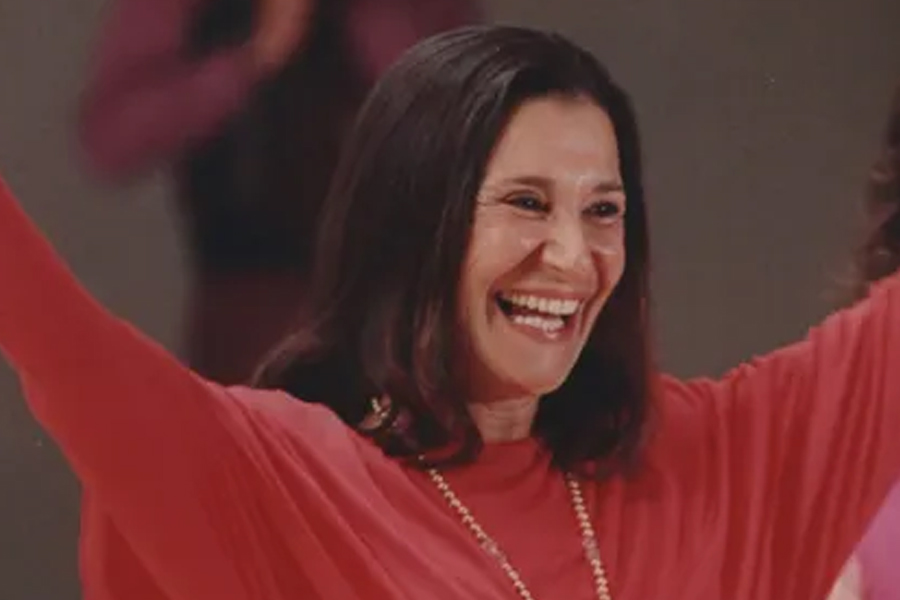
Francoise Ruddy’s life crosses some of the 20th century’s most significant currents. Born in Paris, France, on April 4, 1937, Françoise Wizenberg began her youth among storm clouds. War, persecution, exile, and loss shattered an ordinary childhood. Despite those early setbacks, she reinvented herself.
Her life is remarkable since it was not linear. She was a Holocaust survivor, a refugee child, a daughter of Polish Jewish parents, a woman related to affluent and influential men, a Hollywood character, and eventually a renowned Rajneesh figure as Ma Prem Hasya. Few lives change so much. Even fewer bear them in stark contrast.
In her story, I do not see a simple arc of fame. I see survival turning into ambition, and ambition turning into spiritual reinvention. Her life feels like a river crossing several landscapes, never remaining the same water for long.
Early Life and Family Origins
Polish Jewish parents gave birth to Francoise Ruddy in Paris in 1937. Her father, Icek or Izak Wizenberg (Yitzhak), died in the Holocaust. The Nazis killed him, wounding the family tale. Maria Wilczuk, her mother, brought the family through peril. She hid young Francoise with a Christian family throughout the war, perhaps saving her life.
That detail alone says a great deal. A child hidden under another identity learns early that survival can depend on silence, timing, and trust. Such a beginning can shape a person forever. In Francoise Ruddy’s case, it seems to have created a life marked by resilience and constant motion.
The family did not recover quickly from the conflict. They visited Netanya refugee camp in Israel. She may have lived on a kibbutz, too. Instead of a socialite who wandered into greater events, those years define her as someone whose life began amid privation and instability. Displacement preceded glamor. Survival preceded Hollywood.
Her Parents and Their Lasting Influence
Who was Icek Wizenberg?
Icek Wizenberg, also recorded as Izak or Yitzhak Wizenberg, was Francoise Ruddy’s father. Public accounts describe him as Polish born and connected to industrial work or industry. His death during the Holocaust became one of the defining facts of Francoise’s family history.
I think his absence is as important to understanding her as any later marriage or public role. A father lost to genocide is not just a biographical note. It is a shadow that follows every later chapter.
Who was Maria Wilczuk?
Francoise Ruddy’s mother, Maria Wilczuk, is the story’s rock. She was Polish and Jewish and safeguarded her daughter under terrible situations during World War II. She helped the family migrate through Israel to North America after the war.
If Francoise’s life later seemed to unfold through dramatic reinventions, I can trace the first lesson in endurance back to Maria. She was the bridge between destruction and continuation.
Migration, Reinvention, and a New World
By the late 1940s and into the 1950s, the family’s path led away from Europe and toward a new future. Israel was one stop in that journey. The United States became another. Eventually, Francoise was living in New York, where her adult life began to take shape.
This change is subtle yet important. A girl born in wartime Paris, hidden for survival, and reared as a refugee entered America when reinvention was possible and expected. Reinvention was her reoccurring language.
Below is a simple timeline of key early milestones:
| Year | Event |
|---|---|
| 1937 | Born in Paris as Françoise Wizenberg |
| 1940s | Hidden during World War II |
| 1940s | Father killed during the Holocaust |
| 1948 | Family in Israel, including Netanya |
| 1950s | Family eventually settles in North America |
Her First Marriage: Guilford Glazer
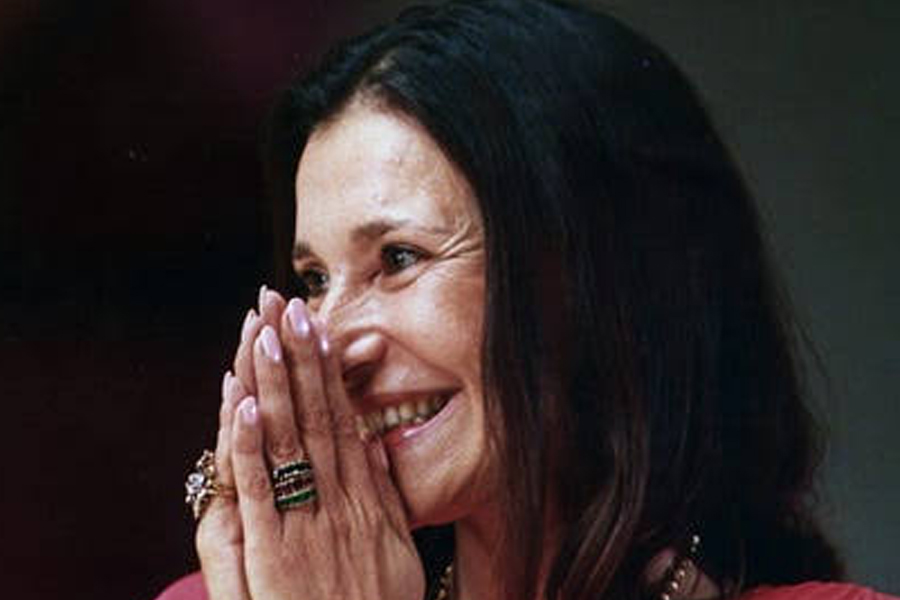
Francoise married real estate developer and philanthropist Guilford Glazer in 1956. She entered a new world after marrying. Change is drastic. The secret child of wartime Europe married a famous American businessman.
The marriage lasted about eight years before ending in divorce. Even so, it was a major chapter in her personal life because it made her a mother.
Her Children with Guilford Glazer
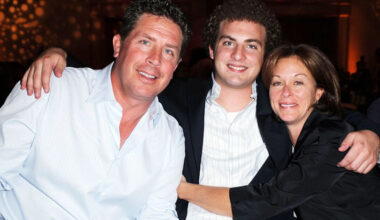
Francoise Ruddy and Guilford Glazer had two children:
| Child | Relationship |
|---|---|
| Emerson Glazer | Son |
| Erika Glazer | Daughter |
Erika Glazer is the child most clearly confirmed in later public mentions, though both Emerson and Erika are named in family references connected to Guilford Glazer. No reliable public material points to additional children beyond these two.
When I place this period in the larger narrative, I see a woman moving from refugee history into American affluence, from survival into family building. Yet her life would not remain domestic for long.
Her Marriage to Albert S. Ruddy
Francoise married Godfather producer Albert S. Ruddy. This marriage connected her to a legendary film. They called her his wife during the film, and later stories show her as more than a passive companion. She supported him during a crucial time.
Some retrospective legends link her name to a production business title. She was part of that world, whether remembered by credit or industry myth. Hollywood in this chapter is sleek yet brutal, like another outfit she learnt.
Her name also resurfaced decades later through dramatizations of The Godfather era, which brought renewed attention to her unusual path from Holocaust survivor to Hollywood insider.
Creative Ambitions and Public Life
Francoise Ruddy left a public mark despite not being prominent. In 1973, she worked on an indie film adaptation of Anaïs Nin’s Seduction of the Minotaur. Though unfinished, the project exposes something vital. She was not just near powerful individuals. She also did her own thing.
That matters to me because it shifts how I read her life. She was not merely a wife passing through celebrated circles. She was a participant, a presence, and at times an operator.
Some later cultural coverage also connected her to ownership of the Chateau Marmont after her divorce from Albert Ruddy. Whether remembered through anecdote or reputation, this fits the image of a woman moving through elite and artistic spaces with unusual confidence.
Becoming Ma Prem Hasya
One of the most dramatic reinventions in her life came when she entered the Rajneesh movement and adopted the name Ma Prem Hasya. The name is said to mean “laughter,” which gives this phase an almost theatrical contrast to the darkness of her early life.
By the late 1970s and 1985, she was a notable Rajneesh confidant. She was a head of staff and personal secretary who bought Rajneeshpuram, an Oregon property. This was no minor duty. She was not at the movement’s edge. Near its center, she was.
Francoise, now Ma Prem Hasya, was characterized as taking over as a key administrator after Ma Anand Sheela fell. Her life had changed again, from Hollywood’s brightness to a controversial spiritual community. An remarkable turn. She went from elite American social and film circles to robes, devotion, secrecy, and power battles.
Her Third Husband: George Meredith
Public reporting from the Rajneesh years identifies Francoise as later marrying George Meredith, also known as Dr. George Meredith or Swami Devaraj. By late 1985, she was already being referred to under the name Francoise Ruddy Meredith.
This marriage belongs to her spiritual life, not Hollywood. George Meredith was her inner, probing, and controversial final act, while Guilford Glazer and Albert Ruddy symbolized riches and cinema, respectively. I don’t observe random surname changes through marriages. Three realms she lived in are recorded.
A Family Snapshot
Here is a concise view of the key family relationships tied to Francoise Ruddy:
| Person | Relationship to Francoise Ruddy | Notes |
|---|---|---|
| Icek/Izak/Yitzhak Wizenberg | Father | Killed during the Holocaust |
| Maria Wilczuk | Mother | Hid her during the war and later emigrated |
| Guilford Glazer | First husband | Married in 1956, later divorced |
| Emerson Glazer | Son | Child from first marriage |
| Erika Glazer | Daughter | Child from first marriage |
| Albert S. Ruddy | Second husband | Film producer tied to The Godfather |
| George Meredith | Third husband | Also known as Swami Devaraj |
Final Years and Death
After the Rajneesh period, later biographical accounts place Francoise back in the United States, living between Los Angeles and Sedona. She died in Los Angeles on August 19, 2014, after a long illness. She was buried at Hillside Memorial Park under the name Francoise “Hasya” Ruddy.
That burial name says a great deal. It preserved both the worldly surname Ruddy and the spiritual identity Hasya. Even at the end, her life was not reduced to one role. She remained a layered figure, carrying several names like rooms in the same house.
FAQ
Who was Francoise Ruddy?
Francoise Ruddy was a Paris born Holocaust survivor who was also known as Françoise Wizenberg, Françoise Glazer, Françoise Ruddy, and Ma Prem Hasya. Over the course of her life, she was connected to real estate, Hollywood, and the Rajneesh movement.
When and where was Francoise Ruddy born?
She was born on April 4, 1937, in Paris, France.
Who were Francoise Ruddy’s parents?
Her parents were Icek or Izak Wizenberg, also called Yitzhak Wizenberg, and Maria Wilczuk. Her father was killed during the Holocaust, and her mother helped save her during World War II.
Did Francoise Ruddy survive the Holocaust?
Yes. As a child, she survived the Holocaust after being hidden with a Christian family while her mother protected her under wartime conditions.
Was Francoise Ruddy married?
Yes. Public accounts identify three husbands in her life: Guilford Glazer, Albert S. Ruddy, and George Meredith, who was also known as Swami Devaraj.
Did Francoise Ruddy have children?
Yes. She had two children with Guilford Glazer, Emerson Glazer and Erika Glazer.
What was her connection to Hollywood?
She was married to producer Albert S. Ruddy during the period surrounding The Godfather. She was also associated with an uncompleted independent film adaptation of Anaïs Nin’s Seduction of the Minotaur in 1973.
What was Ma Prem Hasya?
Ma Prem Hasya was the spiritual name adopted by Francoise Ruddy during her involvement with the Rajneesh movement. She became a senior figure in that circle and served as a chief of staff or personal secretary.
When did Francoise Ruddy die?
She died on August 19, 2014, in Los Angeles after a long illness.
What name appears at her burial?
She was buried as Francoise “Hasya” Ruddy, reflecting both her later spiritual identity and the surname by which many knew her.